
What is life coaching?

Life coaching began to develop in the 1980s, emerging from a blend of sports coaching and business coaching practices. Its popularity expanded significantly during the 1990s and gradually broadened to address a wider range of areas such as relationships, finances, careers, health, retirement, and overall well-being.
In recent years life coaches have gained more mainstream recognition, and growing numbers of people are turning to them for help to attain success and fulfilment in their personal and professional lives.
Why try life coaching?
People generally seek coaching during significant life transitions such as starting a new career, beginning a family, or planning for retirement, or when they feel a lack of clarity about their direction or purpose and want help defining what they want next in life.
We all assume a variety of roles and identities over time: the talented student, loving parent, busy entrepreneur, respected professional, and it can be unsettling when aspects of our identity that we’ve taken for granted, begin to shift or fall away.
Coaching can help us tune into the parts of ourselves that we may not have had the chance to listen to before, and to recognise that our identity isn’t ending but evolving. It can help us explore and create space for what’s yet to come.
The benefits of life coaching
One of the key benefits of working with a life coach is gaining a fresh and objective perspective. In addition to offering new insights, a life coach can help their clients recognise negative patterns or habits that might be preventing them from reaching their full potential. By creating personalised strategies and setting clear goals, life coaches encourage their clients to draw on their unique strengths and skills to overcome hurdles and navigate their personal and professional transitions with greater confidence and direction. Rather than simply offering solutions, the coaching process helps build self-awareness, accountability, and the courage to make meaningful adjustments that lead to real, lasting change.
The process
Clarify the vision: Coaching sessions typically involve defining a vision, identifying obstacles, and developing strategies to overcome them. What does the client really want? Not just the surface goal, but the deeper why. Coaches help clients articulate a vision that feels meaningful and motivating.
Assess the current reality: Coaches support clients in honestly assessing their starting point by concentrating on the present and recognising what is, and what isn’t, working for them.
Identify obstacles: Often, the real barriers aren’t just external circumstances but also the internal narratives we carry. Coaches support clients in identifying these stories and questioning whether they truly serve them.
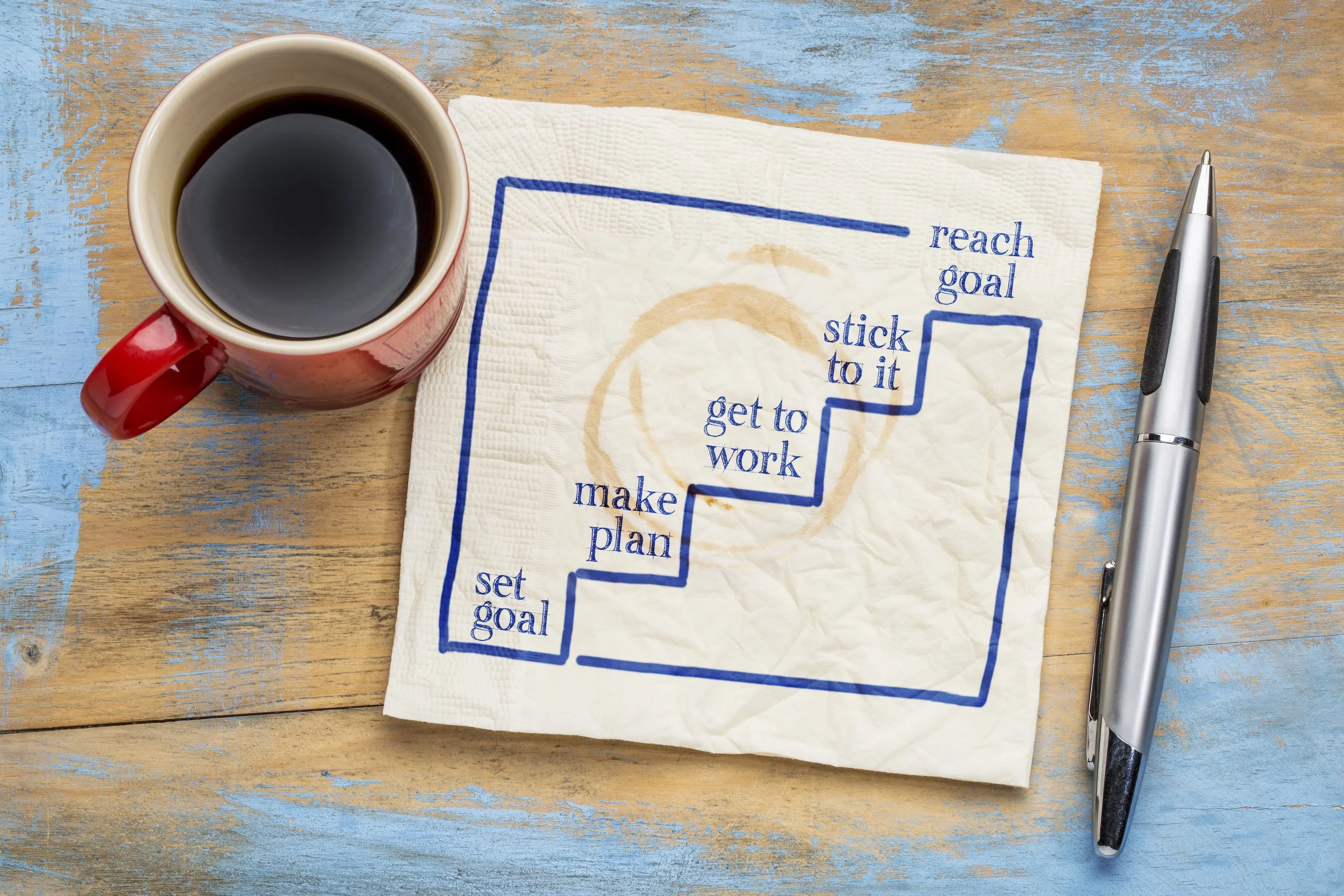
Create a strategy: Once the client knows where they want to go, and what’s blocking them, they can co-create a plan with their coach. Not just a checklist, but a strategy rooted in their values and strengths.
Take action and reflect: The client then puts the plan into motion, and, with regular support from the coach, reflects on progress, makes adjustments where necessary, and follows through on achieving their goals. If there are set backs, a good coach will help their client to overcome them and rebuild momentum.
How to find a life coach
Life coaching sessions can take many different forms. For example, some life coaches meet with their clients in person, while others conduct their sessions over the phone or online.
If you’re thinking of working with a life coach, keep in mind that it’s up to you to decide what you’d like to focus on in your coaching sessions.
Each session should leave you feeling empowered and uplifted, so it’s critical to find a coach whose style and philosophy resonate with you.
Although there isn't any official education or training for becoming a life coach, a competent life coach often has a background in psychology, mental health, wellness, or business. There are also accredited life coach training programmes from which they may have gained certification to practice.
Choose the right kind of life coach
Consider if your coach is suited to your needs. Not all life coaches take the same approach to a problem, so what you get out of the process may have a lot to do with the type of relationship you have with your coach. Do some research and look for a coach that’s suited to working with your personality type and approach to solving problems.
Types of life coaches
Some life coaches take a more general, all-encompassing approach, but there are also many that specialise, and focus on helping people in specific areas:
Business, executive, and leadership coaching
Career coaching
Dating and relationship coaching
Diet and fitness coaching
Divorce coaching
Family life coaching
Health and wellness coaching
Retirement coaching
Don't expect immediate results
Your life coach can help you make plans, address problems, and work towards achieving your goals, but it’s important to remember that these things take time. It may be helpful to set some short-term, as well as long-term goals, so that you can measure your progress.
Thank you for reading this blog post. I would be interested to hear about your experiences. Also, if you have any thoughts to share or ideas for future posts, please do let me know. I would love to hear from you.